
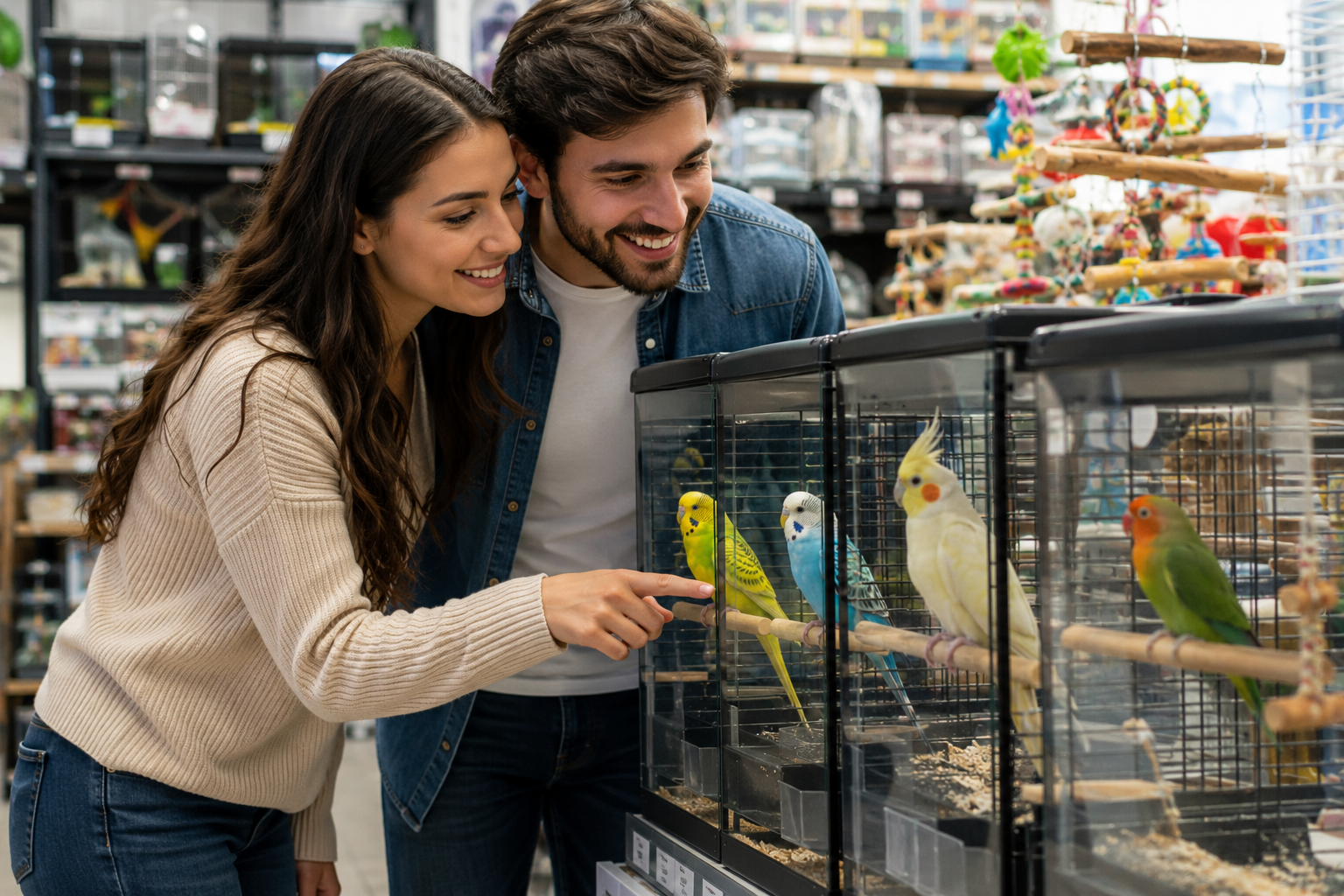
Birds can bring color, personality, companionship, and entertainment into your life. Some people enjoy watching wild birds visit their yard, while others want the experience of raising chickens and roosters or bonding with an intelligent companion parrot. Choosing the right bird depends on your lifestyle, available space, budget, time commitment, and expectations.
Before bringing any bird into your life, it is important to understand that different birds require different levels of care. Some birds are easy to observe and enjoy from a distance, while others require daily social interaction, training, and long-term commitment.
This guide will help you decide whether wild birds in the yard, backyard chickens, or companion parrots are the best fit for your home and lifestyle.
Understanding Your Goals as a Bird Owner
The first step in choosing the right bird is understanding what kind of experience you want.
Ask yourself these questions:
- Do you want birds you can simply enjoy watching?
- Are you interested in fresh eggs and sustainable living?
- Do you want a social bird that interacts with people?
- How much time can you dedicate every day?
- Are you prepared for cleaning, feeding, and veterinary care?
- Do you rent or own your home?
- Are noise levels a concern?
- Do you have children or other pets?
Your answers will help narrow down which type of bird is best for you.
Wild Birds in the Yard
For many people, attracting wild birds is the easiest and most relaxing way to enjoy birds without the responsibility of ownership.
Why People Love Wild Birds
Watching birds in your yard can reduce stress, encourage outdoor activity, and help you connect with nature. Wild birds bring movement, songs, and natural beauty to gardens and outdoor spaces.
Popular backyard birds include:
- Cardinals
- Blue jays
- Finches
- Chickadees
- Sparrows
- Hummingbirds
- Woodpeckers
Each species has unique colors, songs, and feeding habits.
Benefits of Attracting Wild Birds
Low Commitment
Unlike pet birds, wild birds do not rely entirely on you for survival.
Affordable
Bird feeders, seed, and bird baths are usually inexpensive compared to caring for pet birds.
Educational and Relaxing
Birdwatching can teach children and adults about nature, migration, and wildlife behavior.
Supports Local Wildlife
Native plants and clean water sources help support local bird populations.
Challenges of Feeding Wild Birds
Although attracting wild birds is enjoyable, there are still responsibilities.
Feeders Need Cleaning
Dirty feeders can spread disease among birds.
Weather Impacts Feeding
Birds may depend on feeders during harsh winters or dry seasons.
Predators and Pests
Squirrels, raccoons, and neighborhood cats may disturb feeding areas.
Best for People Who:
- Want a simple bird experience
- Have limited indoor space
- Enjoy gardening or nature
- Prefer low-maintenance bird care
- Are not ready for a long-term pet commitment
Chickens and Roosters
Backyard chickens have become increasingly popular for families interested in fresh eggs, gardening, and self-sufficient living.
Chickens can also become surprisingly social pets.
Why People Raise Chickens
Many people start with chickens for fresh eggs but quickly discover that chickens have distinct personalities.
Some breeds are calm and friendly, while others are energetic and curious.
Roosters are known for protecting flocks and announcing sunrise with loud crowing.
Benefits of Raising Chickens
Fresh Eggs
Many hens produce eggs regularly throughout the year.
Natural Pest Control
Chickens eat insects, weeds, and garden pests.
Educational for Families
Children often enjoy helping with feeding and egg collection.
Compost and Gardening Benefits
Chicken manure can enrich garden soil when composted properly.
Challenges of Raising Chickens
Daily Care Is Required
Chickens need fresh food, clean water, and coop maintenance every day.
Noise
Roosters can be very loud, especially early in the morning.
Space Requirements
Chickens need a secure coop and outdoor space to roam.
Local Regulations
Some cities or neighborhoods restrict chickens or roosters.
Always check local laws before building a coop.
Protection from Predators
Foxes, hawks, raccoons, and stray dogs may target backyard flocks.
Choosing Chicken Breeds
Different breeds suit different goals.
Best Egg Layers
- Leghorns
- Rhode Island Reds
- Golden Comets
Friendly Family Chickens
- Orpingtons
- Australorps
- Plymouth Rocks
Small Backyard Breeds
- Silkies
- Bantams
Are Roosters Necessary?
You do not need a rooster for hens to lay eggs.
Roosters are mainly needed for breeding fertilized eggs and protecting a flock.
However, roosters may create noise concerns for neighbors.
Best for People Who:
- Have outdoor space
- Want fresh eggs
- Enjoy gardening or homesteading
- Can commit to daily care
- Are comfortable with cleaning and maintenance
Companion Parrots
Companion parrots are intelligent, emotional, and highly social birds that can form strong bonds with humans.
Popular companion parrots include:
- Budgies
- Cockatiels
- Lovebirds
- Conures
- African Greys
- Amazons
- Macaws
Parrots can become loving companions, but they are also one of the most demanding types of pet birds.
Why People Love Companion Parrots
Parrots are known for their intelligence, playfulness, and ability to interact closely with people.
Some parrots learn words and sounds, while others enjoy cuddling, training, or games.
Benefits of Companion Parrots
Strong Emotional Bonds
Many parrots recognize family members and enjoy daily interaction.
High Intelligence
Parrots can learn tricks, routines, and communication patterns.
Long Lifespans
Some parrots live for decades.
Smaller parrots may live 10–20 years, while large parrots can live 50 years or longer.
Entertaining Personalities
Parrots are often playful, curious, and expressive.
Challenges of Companion Parrots
Noise Levels
Many parrots scream or vocalize loudly.
Daily Attention
Parrots need social interaction and mental stimulation every day.
Messiness
Bird seed, feathers, and food debris can spread around cages and rooms.
Veterinary Costs
Bird veterinarians can be expensive and may not be available in every area.
Emotional Needs
Lonely parrots may develop behavioral problems such as feather plucking or biting.
Choosing the Right Companion Parrot
Different parrots fit different lifestyles.
Best Beginner Parrots
Budgies
Budgies are small, affordable, social, and easier for beginners.
Cockatiels
Cockatiels are friendly, gentle, and often enjoy human interaction.
Intermediate Bird Owners
Conures
Conures are playful and affectionate but can be noisy.
Lovebirds
Lovebirds are energetic and social.
Experienced Bird Owners
African Greys
African Greys are highly intelligent and emotionally sensitive.
Macaws
Macaws require significant space, training, and lifelong commitment.
Best for People Who:
- Want close interaction with a bird
- Have time for daily socialization
- Can handle noise and mess
- Are prepared for long-term care
- Want an intelligent and engaging companion
Comparing the Three Bird Experiences
| Bird Type | Commitment Level | Noise | Space Needed | Social Interaction | Cost |
|---|---|---|---|---|---|
| Wild Birds | Low | Low | Outdoor only | Minimal | Low |
| Chickens/Roosters | Moderate | Moderate to High | Backyard coop | Moderate | Moderate |
| Companion Parrots | High | High | Indoor cage/play area | Very High | Moderate to High |
Important Questions Before Choosing Any Bird
How Much Time Do You Have?
Companion parrots may need several hours of interaction daily, while wild birds require very little direct care.
How Much Space Do You Have?
Apartment living may not work well for loud parrots or backyard chickens.
What Is Your Budget?
Costs can include:
- Food
- Housing
- Toys
- Veterinary care
- Cleaning supplies
- Heating or lighting equipment
Are You Sensitive to Noise?
Roosters and parrots can both become extremely loud.
Are You Ready for a Long-Term Commitment?
Some parrots outlive their owners.
Bird ownership should never be an impulsive decision.
Tips for New Bird Owners
Research Before Buying
Spend time learning about breeds, nutrition, housing, and behavior.
Visit Bird Owners or Rescue Centers
Seeing birds in real-life environments helps you understand their personalities and needs.
Avoid Impulse Purchases
Birds are living creatures, not decorations.
Prepare the Environment First
Set up cages, coops, feeders, or bird-friendly spaces before bringing birds home.
Choose Reputable Sources
Responsible breeders, rescues, and bird organizations are usually better choices than impulse pet store purchases.
Final Thoughts
The right bird depends entirely on your goals, lifestyle, and commitment level.
If you love nature and want a relaxing hobby, attracting wild birds to your yard may be perfect.
If you want fresh eggs and a backyard farming experience, chickens and roosters can be rewarding additions to your home.
If you want a highly interactive and intelligent companion, a parrot may become a lifelong friend.
No matter which path you choose, birds deserve proper care, respect, and attention. Taking the time to choose the right bird now can lead to years of enjoyment, companionship, and memorable experiences.
Leave a Reply